

Summary: Portland's rental market has cooled heading into 2026, with rents dipping about two percent year-over-year and tenants taking more time to make decisions. This article breaks down what's driving that shift, what today's Portland renters are actually prioritizing, and how landlords can respond — from smart pricing and targeted property improvements to concession strategies and proactive leasing timelines.
⏱ 5-minute read
What Portland's Softening Rents Mean for You - And How to Stay Ahead in 2026
If you own a rental property in Portland, you've probably noticed that the market feels a little different lately. Tenants are taking longer to decide. Listings are sitting a few extra days. And the question we're hearing more from landlords we work with is: "Should I lower my rent?"
It's a fair question - and the honest answer is: it depends. But here's what we know for certain: the landlords who are doing well right now aren't the ones who panicked and slashed prices. They're the ones who got strategic.
Let's talk about what's actually happening in Portland's rental market, and what it means for you.
The Numbers: A Small Dip, A Big Shift in Mindset
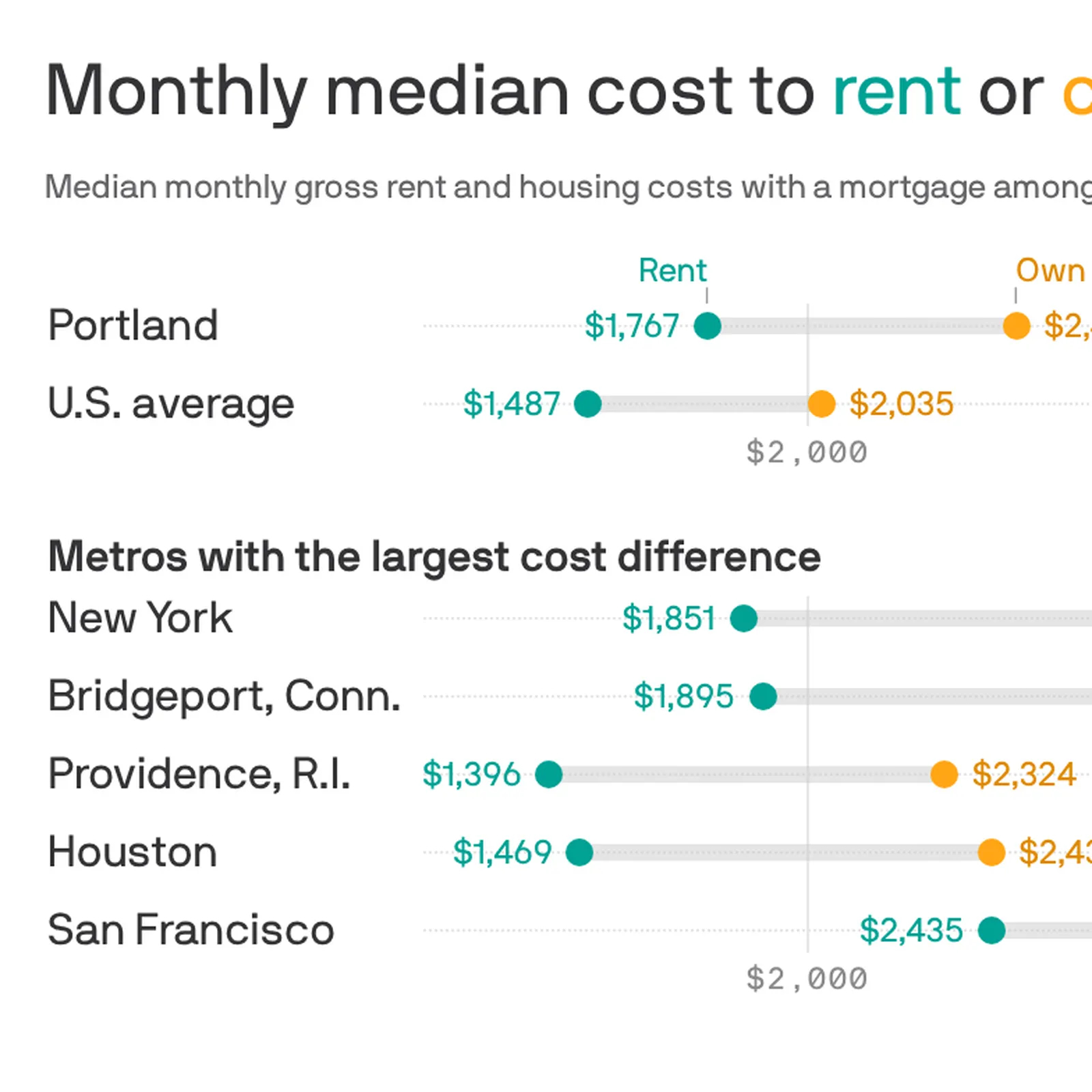
Early 2026 data shows Portland rents have dipped about two percent compared to last year, with median monthly rents hovering around $1,627. On paper, that sounds modest. In practice, what it's done is shift leverage — renters now have more options, more time to decide, and more confidence to negotiate.
That doesn't mean the market is broken. Portland's rental fundamentals are still solid: the city continues to attract residents, the local economy remains active, and demand for quality housing isn't going anywhere. But it does mean that the "set it and forget it" approach to property management isn't going to cut it this year.
What Today's Portland Renters Are Actually Looking For
We talk to prospective tenants every week, and here's what we're consistently hearing: it's not just about price. Renters shopping in Portland right now are looking at the full picture — how clean and well-maintained a property is, whether it includes conveniences like in-unit laundry or off-street parking, how responsive the landlord or management company appears to be, and whether the price feels fair for what they're getting.
A unit priced $75 over market with chipped paint and a slow response to inquiries will lose every time to a slightly lower-priced unit that feels cared for.
This means the opportunity for Portland landlords right now isn't necessarily to drop rents — it's to make sure your property is presenting its best self, and that your pricing reflects honest, current market data for your specific neighborhood.
Smart Pricing: The Difference Between Weeks and Months of Vacancy
Here's a number that matters more than the monthly rent itself: days on market. A unit priced right typically leases in a week or two. A unit priced even modestly high in a soft market can sit for six to eight weeks. Do the math — a month of vacancy at $1,627 costs more than a meaningful rent reduction would have.
The sweet spot is pricing based on what's actually leasing near you right now, not what you charged last year or what a neighbor listed (not leased) their unit for. Neighborhood-level data makes a real difference in Portland, where rents can vary significantly between Northeast, Southeast, North Portland, and the West Side.
If you're not sure where to set your price, that's exactly what we help our clients figure out.
When Concessions Make Sense (And When They Don't)
One tool we've been using strategically for some of our clients is the one-time concession — things like a free week of rent at move-in, a reduced security deposit, or a small move-in credit. Done right, these can generate urgency and get a qualified tenant to commit without reducing the base rent for the entire lease term.
The key word there is strategically. Blanket concessions applied to every unit, or poorly structured offers, can eat into your margins and set expectations that are hard to walk back. We help our clients think through whether a concession makes sense for a specific unit, at a specific time, for the right prospective tenant.
Small Upgrades, Big Impact
You don't need to gut a kitchen to compete in today's market. Some of the most effective improvements we've seen are also the most affordable: a fresh coat of neutral paint, updated light fixtures, new cabinet hardware, a deep professional clean, and great listing photos.
That last one is more important than most landlords realize. The majority of renters find their next home online, and they're scrolling fast. High-quality photos of a clean, well-presented unit will outperform a cheaper unit with dark, cluttered listing photos almost every time.
Curb appeal matters too. A tidy exterior and a well-maintained entry create a strong first impression before a tenant ever steps through the door.
Don't Wait Until It's Vacant to Think About Leasing
One of the most effective things you can do in a cooler market is start early. Listing a property 30 to 45 days before it's available gives you a runway to generate leads, schedule showings, and screen applicants without the pressure of a ticking vacancy clock.
It's also worth having a real conversation with your current tenants before their lease expires. A reasonable renewal offer — even a modest one - can be far less costly than a turnover. We work with our clients to evaluate when holding the line on rent makes sense and when a small adjustment preserves a great long-term tenant.
What This Means If You Own Multiple Properties
For landlords managing more than one unit, a soft market amplifies both the risks and the opportunities. A vacancy in one unit is manageable. Two or three sitting empty simultaneously can put real pressure on your cash flow.
This is the environment where professional property management earns its keep. Having someone actively monitoring market conditions, adjusting pricing, managing showings, screening applicants, and keeping your units in great shape isn't just convenient — it's a meaningful financial advantage when margins are tighter.
Portland Is Still a Strong Market - It Just Rewards Strategy Right Now
We want to be clear: we're not sounding an alarm. Portland's rental market isn't in freefall - it's recalibrating. The landlords who approach this moment with clear-eyed strategy rather than reactive panic will come out ahead.
That means pricing accurately, presenting your property well, responding quickly to prospective tenants, and staying close to what's actually happening in your neighborhood.
If you're feeling uncertain about your rental strategy heading into the rest of 2026, we'd love to talk. We work with property owners across Portland every day, and we have a clear picture of what's working right now.