

Summary: Setting the right rent in Portland is both a financial and strategic decision. Price too high and your vacancy extends, costing more than any rent premium you might have captured. Price too low and you leave money on the table for the entire lease term. This guide walks through how Portland's rental market is priced today, what factors drive rent up or down for a specific property, and how to research comps the right way.
⏱ 5-minute read
How Much Should I Charge for Rent in Portland?
It sounds like a simple question. It isn't.
Pricing a rental property correctly requires understanding both the broad market and the hyper-local conditions in your specific neighborhood - two things that can look very different in Portland. A unit in Sellwood and a unit in St. Johns may have identical bedrooms and square footage, but command meaningfully different rents based on proximity to amenities, transit access, walkability, and neighborhood demand.
At Uptown Properties, we set and adjust rents for Portland landlords every day. Here's how we think about it.
Where Portland's Rental Market Stands Right Now
According to Zillow Rental Manager market data, the average rent in Portland, OR is currently $1,763 across all bedroom types and property classes - essentially flat year-over-year, with the market characterized as "cool" relative to national renter demand trends. See our other blogs about the rental market: https://www.uptownpm.com/blog/market-reality-check-2026
That average, however, tells you less than you might think. Portland's rental market has wide variance by property type, neighborhood, and condition. Studio apartments in close-in neighborhoods and single-family homes in family-oriented southeast Portland neighborhoods can sit at very different price points relative to that average. What matters for your pricing decision is not the citywide median - it's what comparable units in your specific area are actually leasing for right now.
The Factors That Drive Rent Up or Down for Your Specific Property
Understanding the market is step one. Applying it to your specific unit is step two. These are the factors that most meaningfully influence what a Portland rental can command:
Location and neighborhood: Close-in neighborhoods with walkable amenities, proximity to MAX light rail, and strong neighborhood character (Division Street, Mississippi Ave, the Pearl, NW 23rd) typically support higher rents than more car-dependent outer Portland neighborhoods at the same square footage. Know where your property sits in that spectrum.
Property type and size: Single-family homes generally command a premium over apartments for comparable square footage, particularly for families. The number of bedrooms matters more than total square footage in most rental searches.
Condition and finishes: A freshly renovated unit with updated kitchen, in-unit laundry, and modern finishes can command meaningfully higher rent than a comparable unit with dated interiors. Condition is something you can control, and the rental market rewards it.
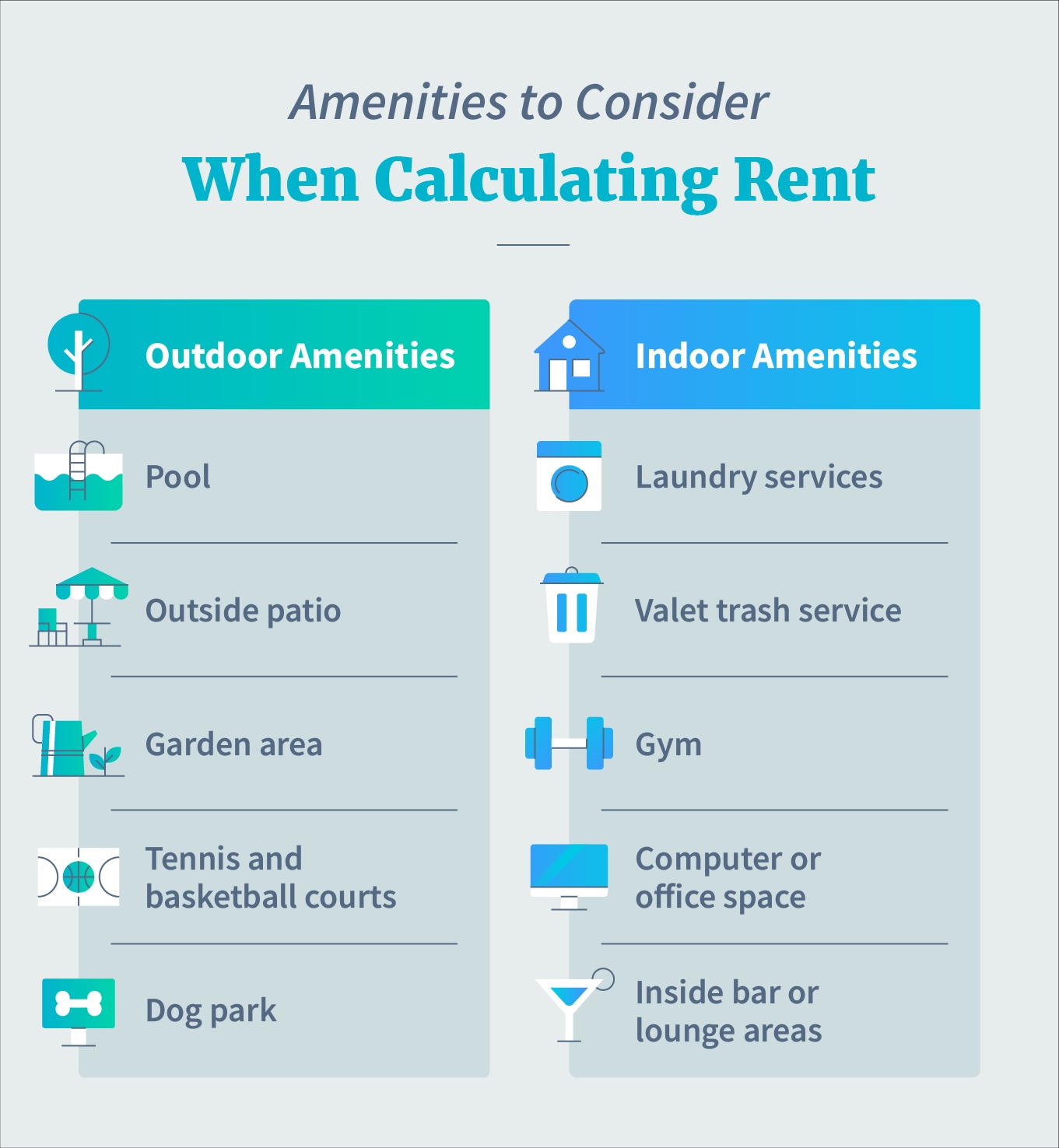
Included amenities: Off-street parking in Portland is a genuine differentiator, particularly in inner-city neighborhoods where on-street parking is limited. In-unit washer/dryer beats shared laundry. Outdoor space - a yard, patio, or deck - adds value. High-quality internet infrastructure matters increasingly to remote workers.
Pet policy: Properties that allow pets have access to a larger pool of qualified applicants and can often command a modest premium. Oregon law (ORS 90.530) governs pet deposits and fees, so make sure any policy is structured compliantly.
Utilities included: If you're covering water, sewer, or garbage, that typically supports a slightly higher rent than a comparable unit where the tenant pays separately.
How to Research Comparable Rents the Right Way
The most common pricing mistake is researching what properties are listed for rather than what they're actually renting for.
A landlord who posts at $1,900 and sits vacant for eight weeks hasn't proven their unit is worth $1,900 - they've proven $1,900 isn't clearing the market.
Here are the most reliable ways to research your specific rental market:
Rentometer: Rentometer provides address-specific rent estimates with comparable rental data in a defined radius around your property. It's one of the most useful tools for neighborhood-level comp analysis.
Active listings in your area: Search Zillow, Apartments.com, and Craigslist for currently listed properties in your neighborhood that are comparable in size, type, and condition. Note not just the asking price but how long listings have been active. A listing that's been sitting for three weeks in a market where quality units lease in seven to ten days is priced above market.
Recently leased comps: If you work with a property management company or real estate agent who has access to lease transaction data, recently leased comparables are more reliable than active listings. This is one of the meaningful advantages of working with professionals who track actual market activity.
The Two Pricing Mistakes That Cost Landlords the Most
Overpricing - This is the most common mistake, and it's more costly than most landlords realize. In Portland's current market, a quality unit priced correctly typically leases within one to two weeks. A unit priced $100 above market might sit for six to eight weeks. At a market rent of $1,763, eight weeks of vacancy costs roughly $3,526 in lost income - far more than the additional $100 per month would recoup in the first year, even if you eventually found a tenant willing to pay it.
Underpricing - The less discussed mistake. In a market where costs are rising - insurance, property taxes, maintenance, and management fees - pricing a unit below market is compounding the margin squeeze. It also sets the baseline for future rent increases. Under Oregon's rent stabilization rules, increases on covered properties are capped at the state maximum (9.5% in 2026 for buildings older than 15 years). Starting too low limits your headroom.
The goal is the sweet spot: the highest rent your specific unit can command in current market conditions, at a price that attracts a qualified tenant quickly.
Oregon's Rent Stabilization Rules and What They Mean for Pricing
If your property received its certificate of occupancy more than 15 years ago, Oregon's rent stabilization law caps annual rent increases under ORS 90.323 and 90.324. The Office of Administrative Services announces the maximum allowable increase each year; for 2026 it is 9.5%.
This makes your initial lease price more important than it might seem. You cannot rely on aggressive annual increases to catch up if you start too low - the cap limits how much ground you can make up. Price accurately from the beginning.
New construction properties (certificates of occupancy within the last 15 years) are exempt from this cap, but standard notice requirements still apply.
When in Doubt, Get a Professional Opinion
A free rental analysis from an experienced local property management company is one of the most useful things you can do before listing. At Uptown Properties, we provide market-based rental pricing guidance for Portland property owners - drawing on actual lease transaction data, current listings, and neighborhood-level knowledge that goes beyond what any automated tool can offer.
We're not just looking at a zip code average. We're looking at your specific unit, your specific neighborhood, and what the market is actually absorbing right now.
- Own a rental property? We'll give you an honest, data-backed rent recommendation and handle everything from there.
- Thinking about buying? Our brokerage team can model rental income scenarios before you close.
- Looking for a rental? We manage quality homes across Portland and the metro area.
Schedule a 15 minute conversation and learn how we help Portland landlords find that sweet price point.
https://calendar.app.google/3ZM6AEW1rAoaFcah6