
Event Recap: CCIM Apartment Update with Patrick Barry
Reading Time: 4 Minutes
Summary: The recent CCIM luncheon brought a sobering "reality check" to Portland’s multifamily sector. Keynote speaker Patrick Barry outlined a market currently squeezed by grim labor statistics, rising vacancies, and skyrocketing operating costs. With local rankings hitting decade lows, the consensus is clear: Portland’s recovery hinges on increasing housing supply rather than doubling down on rent control.
The Portland Multifamily Squeeze: Insights from the CCIM Luncheon
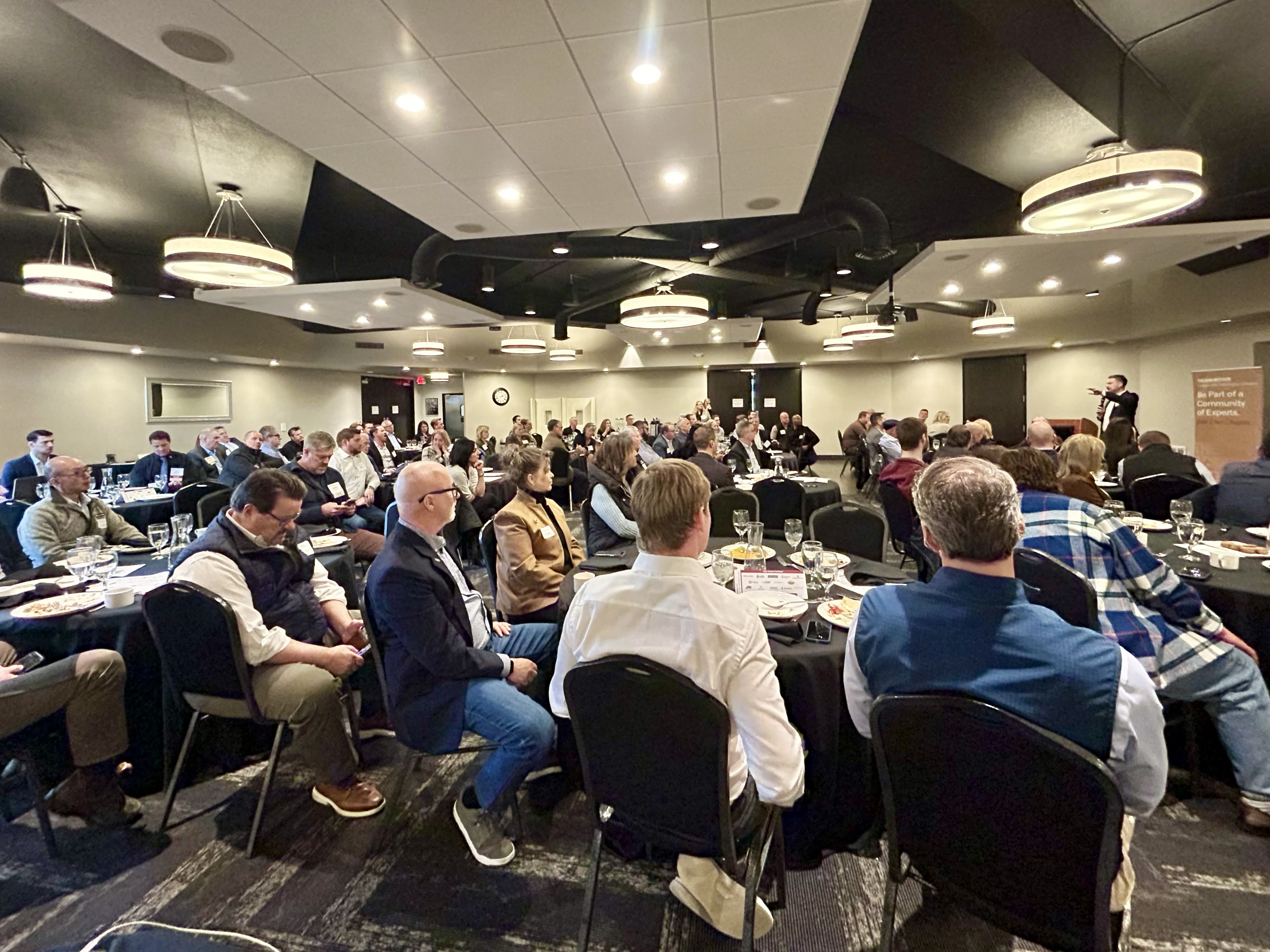
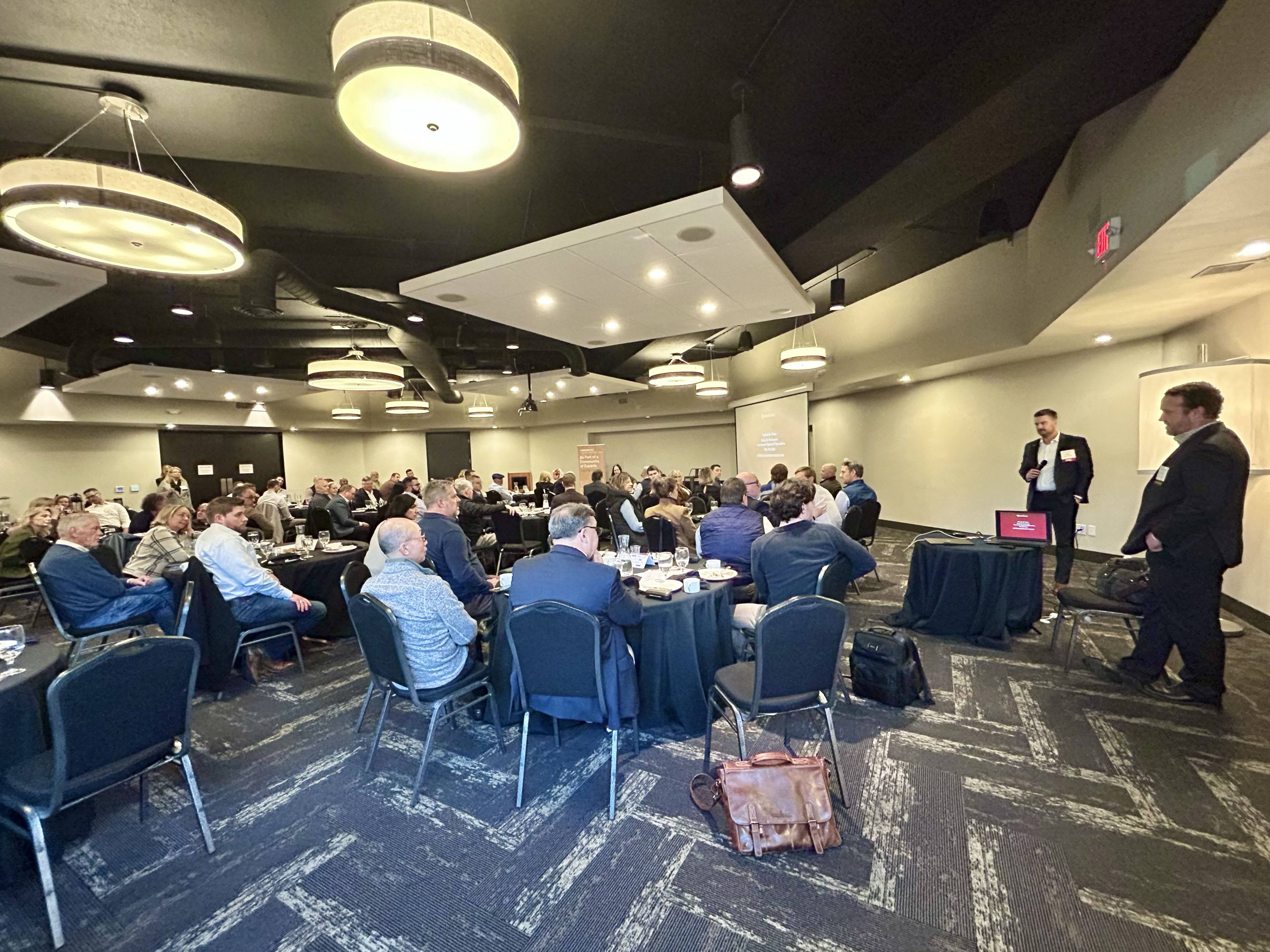
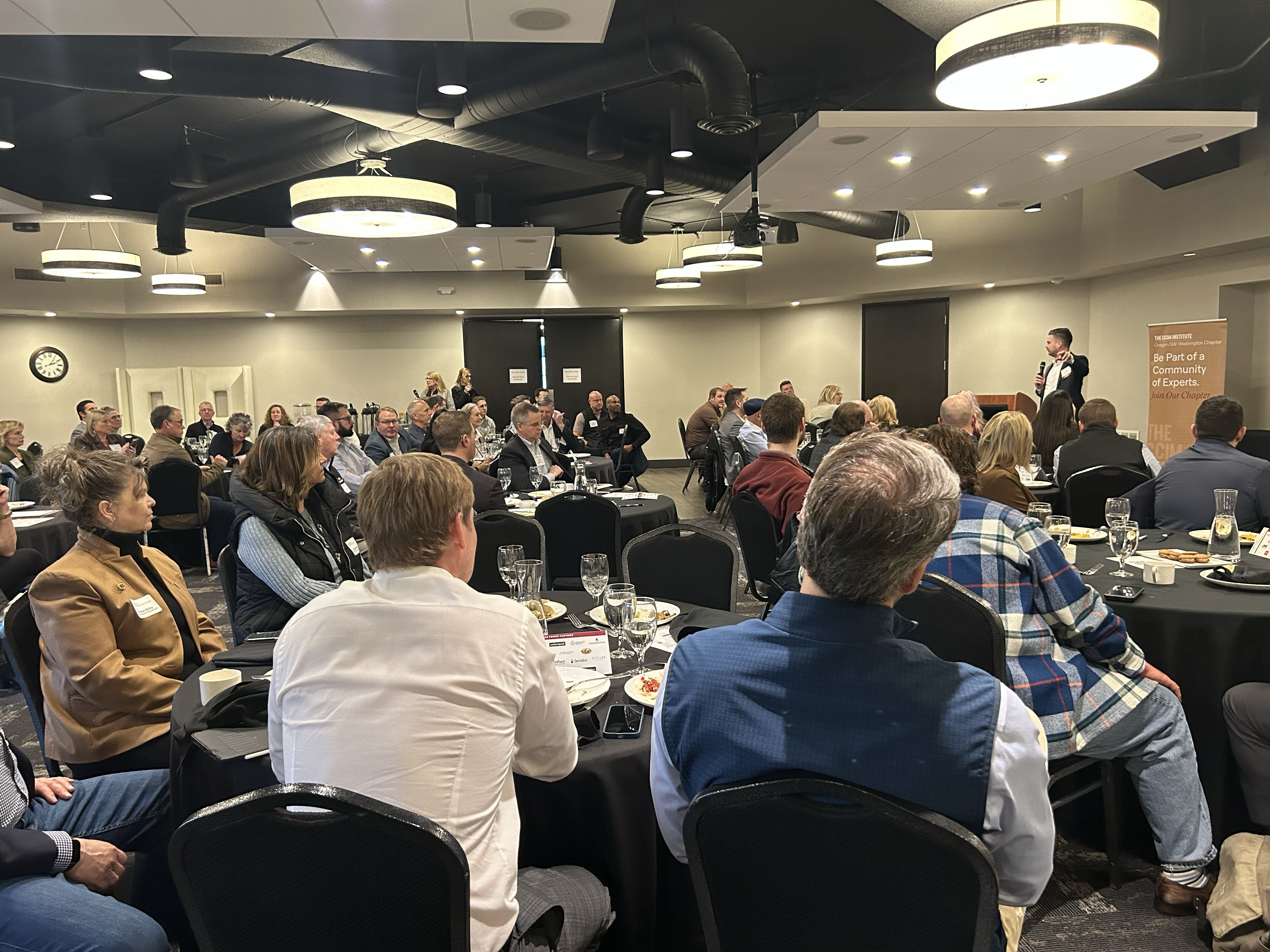
At the recent CCIM luncheon, 95 members and guests gathered to hear Patrick Barry provide an unvarnished look at the state of the Portland apartment market. The takeaway was immediate: Portland is currently weathering a perfect storm of economic headwinds that are fundamentally altering asset values.
The Economic Landscape: A Tough Road Ahead
The labor market statistics for Portland remain grim. With vacancies trending upward, the metro area is struggling to find its footing in a weakened economic environment. According to the latest Urban Land Institute (ULI) survey, Portland has hit a decade-long low, ranking 80th out of 81 surveyed markets.
The Supply Crisis vs. Political Pressure
A recurring theme of the keynote was the disconnect between political policy and market reality:
The Permit Drought: New construction permits for residential development in the Portland metro area are at abysmal lows.
Supply is the Solution: Barry emphasized that the best way for politicians to serve the population is through increasing supply, not through the further implementation of rent control, which continues to discourage development.
The "Office-to-Resi" Myth: While many look to commercial conversions as a fix, Barry noted that New York is the only metro to "successfully" convert vacant CRE to residential—and even then, the razor-thin margins make it nearly unviable.
Master Projects: While we are seeing "baby steps" in master-planned projects across the metro, significant progress remains far on the horizon.
The Death of Value: Skyrocketing Operating Costs
The most immediate threat to apartment values is the aggressive uptick in general operating costs. Barry highlighted a massive shift in per-unit expenses that is "chipping away" at property valuations:
Insurance Spikes: Historically, insurance averaged around $200 per unit; Patrick is now seeing costs between $500–$600 per unit.
Maintenance Inflation: Everything from painting rooms to routine repairs has seen a significant price increase, further compressing Net Operating Income (NOI).
The Bottom Line
In a market ranked at the bottom of the ULI survey, the margin for error for Portland owners has never been thinner. Success in 2026 will depend on hyper-efficient management and a defensive strategy against rising overhead.